

 Deutsch
 Español
 Suomi
Suomi Français
 Bahasa Indonesia
 Italiano
 日本語
日本語 Português
 Tagalog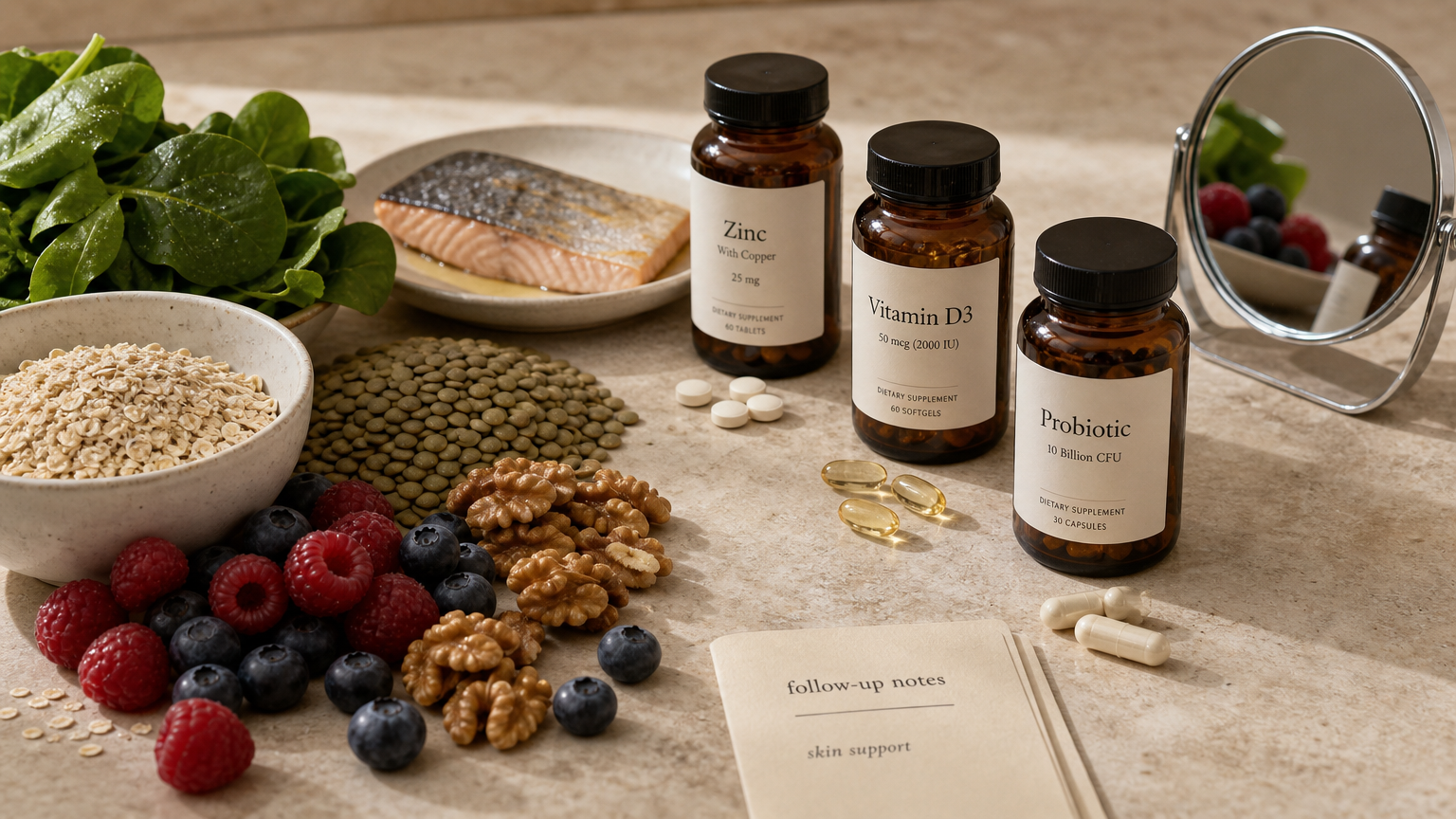

How Acne Becomes Inflamed
Acne develops when the follicle becomes blocked and inflamed. The main clinical forms are comedonal acne, which includes blackheads and whiteheads; inflammatory acne, which includes red papules and pustules; and deeper nodular or cystic acne, which is more painful and more likely to scar. These patterns can overlap, which is one reason acne often needs a layered treatment plan rather than one single fix.
Sebum is the oily material made by sebaceous glands. Androgens, insulin, and insulin-like growth factor 1, often shortened to IGF-1, can increase sebum production and change its composition. At the same time, cells lining the follicle can become sticky and shed poorly, so dead cells and oil combine to form a blocked pore.
Cutibacterium acnes, formerly called Propionibacterium acnes, normally lives on the skin. Acne is not simply about having this bacterium; follicle conditions, strain balance, biofilms, and immune responses all help decide whether a clogged pore becomes a sore lesion. Low-glycemic meals may reduce insulin and IGF-1 signaling, omega-3 fatty acids may shift inflammatory mediator production, and selected nutrients may influence oxidative stress or immune tone.

Sebum Signaling
Hormonal and insulin-related signals can increase oil production and alter sebum quality.

Follicular Plugging
Sticky shedding cells and sebum can block the follicle opening and form comedones.

Microbiome Balance
C. acnes strain balance, biofilms, and immune tone influence inflammation.

Inflammatory Pathways
Nutrients may affect oxidative stress, fatty acid balance, and gut-skin immune signaling.
What the Clinical Evidence Shows
The clearest takeaway is that diet and supplements can help some people, but the effects are usually modest and take time. Most trials run 8 to 12 weeks, and most benefits show up in lesion counts, inflammatory severity, or clinician-rated improvement rather than overnight clearing. That timing fits the biology: acne lesions often start forming below the surface before they are visible.
Standard acne care still has the strongest guideline support. Dermatology guidance centers treatments such as benzoyl peroxide, topical retinoids, oral antibiotics when appropriate, hormonal agents, and isotretinoin for severe acne. Nutrition belongs beside those tools, especially for persistent inflammatory acne, not in place of them when acne is painful, scarring, or affecting mental health.
The best-supported dietary approach is low-glycemic-load eating. Dairy and whey protein are credible triggers for some people, but the dairy evidence is mostly observational, so it is better treated as an individual test than a universal rule. Among supplements, the strongest adjunctive case is for probiotics, zinc, and vitamin D when status is low; pantothenic acid, fatty acids, green tea, and specific herbal formulas are more limited or situation-dependent.
Acne Biology and Standard Care
Guidelines support established acne treatments, while modern biology emphasizes sebum quality, plugging, microbiome balance, and immune inflammation.1, 2, 3, 4
Low-Glycemic Eating
Randomized trials and systematic review evidence support low-glycemic-load eating as the strongest dietary strategy for acne.5, 6, 7
Dairy and Whey Triggers
Dairy associations are observational, while whey protein is a practical low-risk removal test when breakouts track with shakes.8, 9

Supplement Add-Ons
Probiotics, zinc, vitamin D, omega-3s, and pantothenic acid have human evidence, but benefits are adjunctive and uneven.10, 15, 19, 21, 22
Green tea looks more convincing as a topical ingredient than as oral capsules, and Cheongsangbangpoong-tang should be treated as evidence for one traditional formula rather than for all herbal acne products.23, 24, 25, 26 Selenium, preformed vitamin A, iodine or kelp products, high-dose B6 or B12, and androgenic bodybuilding products require more caution because the safety and trigger profile is different from a simple “skin nutrient” claim.27, 28, 29, 30, 31
Start With the Lowest-Risk Changes
If acne is severe, painful, scarring, or affecting mental health, use nutrition as support while getting medical care. For milder or persistent inflammatory acne, test one change at a time so you can tell what actually helps.
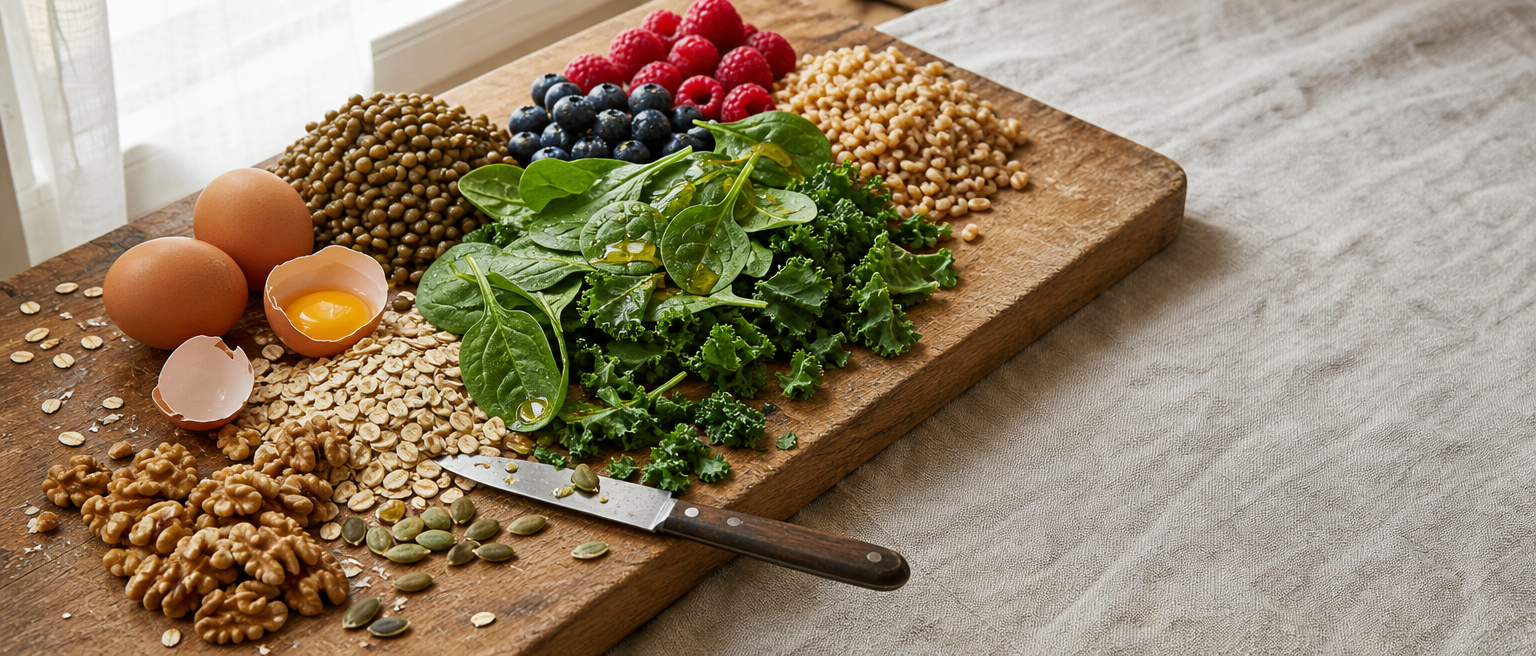
- Build meals around low-glycemic staples such as beans, oats, vegetables, fruit, fish, tofu, eggs, and lean proteins
- Trial whey removal for 8 to 12 weeks if acne worsened after protein shakes or mass-gainer products
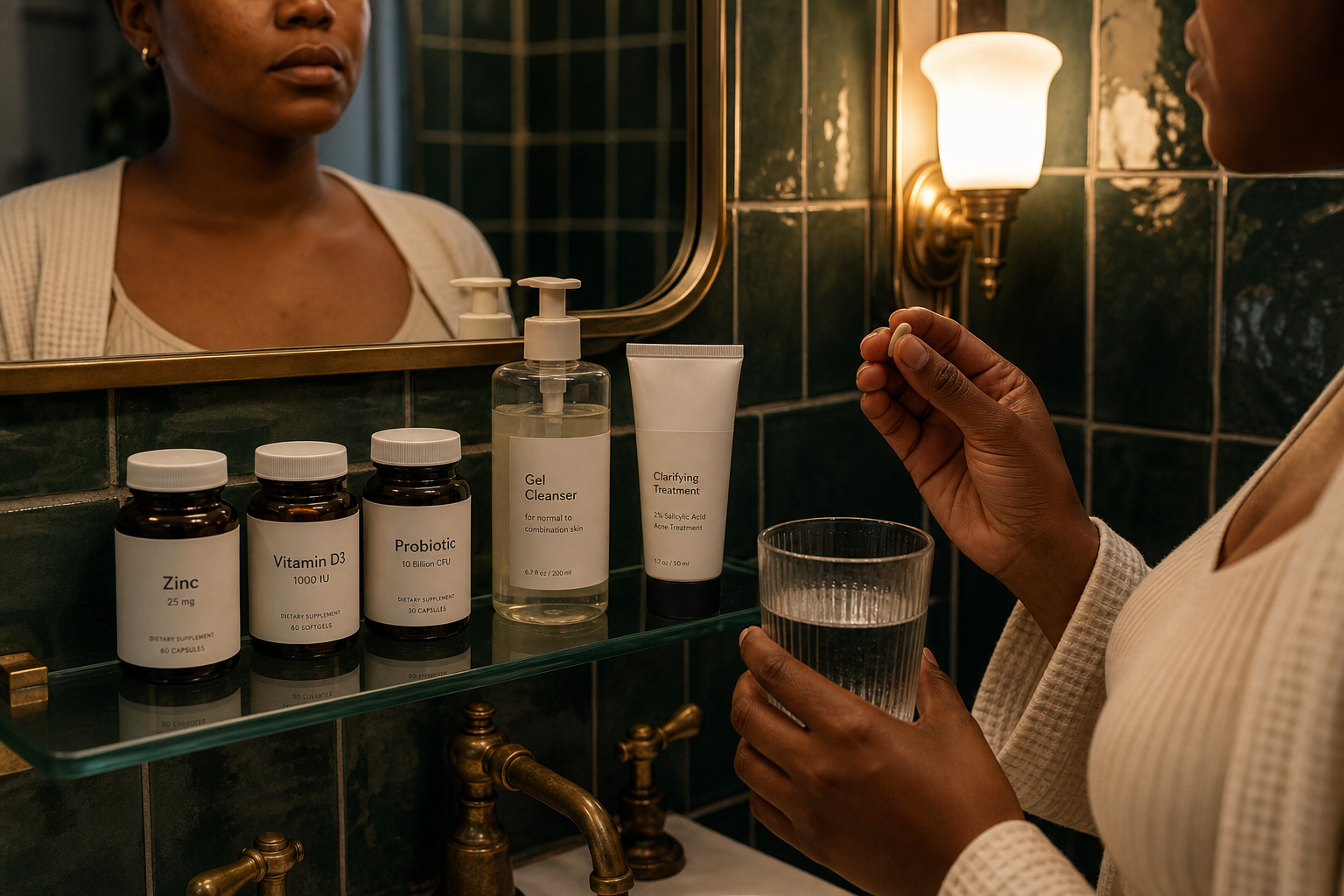
- Choose supplements by status, strain, dose, and safety rather than by broad acne-stack claims
A Practical Ranking for Acne Nutrition
Use this as a practical ranking, not as a prescription. The safest plan is usually a measured trial, not a bigger supplement stack.
Best first diet experiment
A low-glycemic pattern reduces the insulin and IGF-1 spikes that can push sebum production and follicular plugging. It is also nutritionally broad, so it is safer than extreme elimination diets.
Most reasonable supplement tier
Probiotics, zinc, and vitamin D in deficient people have the best overall case as add-ons. None should be expected to replace benzoyl peroxide, retinoids, hormonal treatment, or prescription therapy when those are needed.
Biggest supplement red flags
Whey protein, kelp or high-iodine products, anabolic-androgenic steroid products, and high-dose B12 or B6 can worsen acne or trigger acne-like eruptions in susceptible people. If acne flares after starting a supplement, stop the new product first before adding more.