

 Deutsch
 Español
 Suomi
Suomi Français
 Bahasa Indonesia
 Italiano
 日本語
日本語 Português
 Tagalog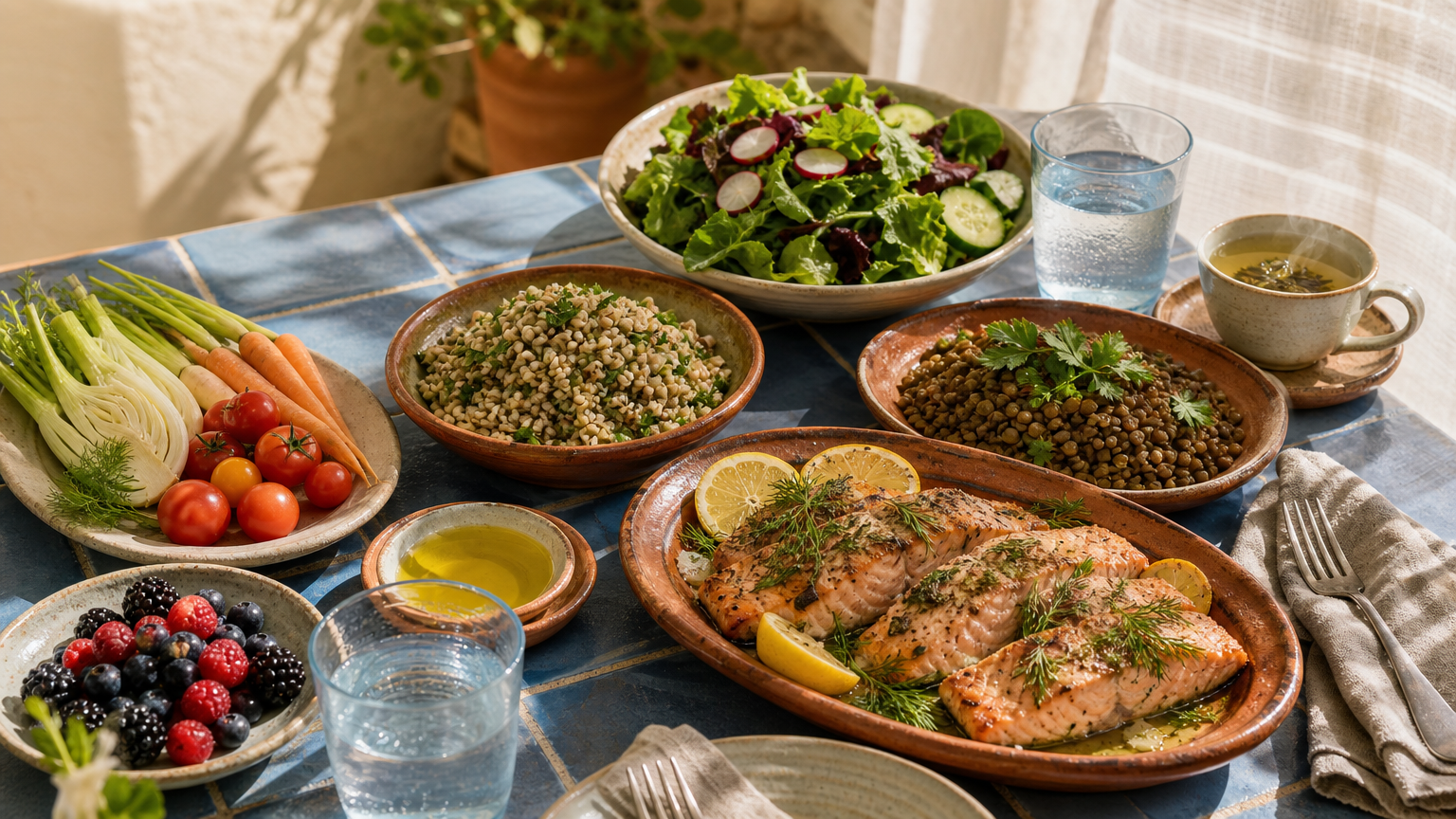



How Diet May Influence Acne
Acne is not just a surface skin problem. Pores become blocked with sebum and dead skin cells, and inflammation then builds around the follicle. Diet may influence acne by affecting insulin and insulin-like growth factor-1, known as IGF-1, oil-gland activity, inflammatory signals, and possibly the gut-skin immune axis.
The glycemic index, or GI, ranks carbohydrate foods from 0 to 100 based on how much they raise blood sugar. Low-GI foods score 55 or below, medium-GI foods score 56 to 69, and high-GI foods score 70 or above. Glycemic load is more useful for real meals because it accounts for both the GI of a food and the amount of carbohydrate in a serving. This is why a large bowl of refined cereal or white rice can produce a much higher biological load than a smaller portion of a higher-GI fruit.
High-glycemic meals can raise blood glucose quickly, which increases insulin. Insulin and IGF-1 can stimulate androgen activity and oil-gland signaling, both of which may increase sebum production and pore blockage. Milk proteins may interact with some of the same pathways, while omega-3 foods such as fatty fish and algae-derived EPA and DHA may help shift inflammatory signaling in a more favorable direction.

Blood Sugar Load
Lower-glycemic meals reduce sharp glucose and insulin swings that can amplify acne signaling.

IGF-1 Signaling
Diet can influence IGF-1, a growth factor linked with oil-gland activity and pore blockage.

Inflammatory Tone
Fiber-rich plants and unsaturated fats may help shift the skin environment toward less inflammation.

Milk Response
Milk may affect insulin and IGF-1 pathways differently from fermented dairy in acne-prone people.
What the Clinical Evidence Shows
The best human evidence supports changing the overall carbohydrate pattern rather than adding one special food. Small randomized trials suggest that low-glycemic-load diets can reduce acne lesions and improve acne-relevant insulin markers. These studies are not huge, but they line up with a plausible mechanism and are more useful than older advice focused on avoiding isolated foods.
The dairy evidence is meaningful but mostly observational. That means it can show a repeated association between milk intake and acne, especially with skim or low-fat milk, but it cannot prove that milk causes acne in every person. This is why milk reduction is best used as a structured self-test, not as a universal rule to remove every dairy food.
Omega-3-rich and Mediterranean-style eating also look promising, especially for inflammatory acne, but acne-specific trials are still limited. The omega-3 and acne evidence is strongest when it is viewed as part of an anti-inflammatory dietary pattern rather than as a stand-alone cure.

Low-Glycemic Trials
Two randomized trials found fewer acne lesions and better inflammatory markers after low-glycemic-load diets.1, 2
Hormone Signals
A 2-week low-GI and low-GL intervention lowered IGF-1 in adults with moderate-to-severe acne.3
Milk and Dairy
Large observational evidence links dairy, especially low-fat or skim milk, with higher acne odds, while guidance stays cautious.4, 5
Omega-3 Pattern
A Mediterranean-style program with algae-derived EPA and DHA improved omega-3 status and acne lesion counts.6
How to Build an Acne-Supportive Plate
Build an acne-supportive diet by changing the usual pattern of your meals, not by adding one “skin food” to a high-sugar diet. Start with slower-digesting carbohydrates, enough protein, anti-inflammatory fats, and a clear decision about whether milk is worth testing.
- Choose legumes often: lentils, chickpeas, black beans, edamame, and hummus
- Use intact grains such as oats, barley, quinoa, rye, farro, and modest portions of brown rice
- Fill half the plate with non-starchy vegetables and choose whole fruit over juice
- If testing dairy, start with milk first, especially skim or low-fat milk
How to Build an Acne-Supportive Plate
Use these numbers and food rules to make the plan practical, measurable, and less restrictive than a long list of banned foods.
GI is food type; GL adds serving size
Low GI means a carbohydrate raises blood sugar more slowly. Low glycemic load is more useful for meals because a small portion of a higher-GI food may have less blood-sugar impact than a large portion of a medium-GI food.
The best carb swaps are simple
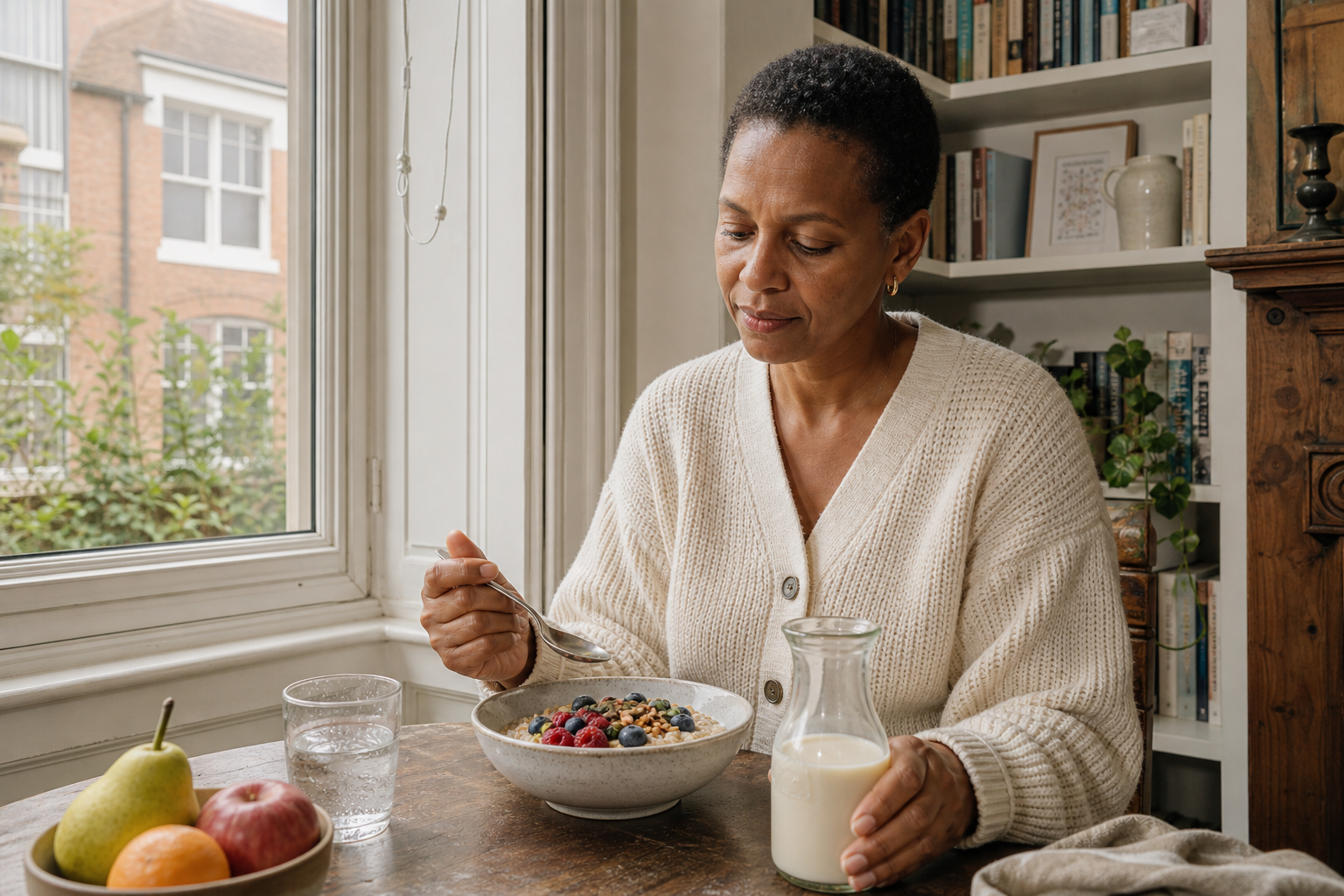
Swap sugary cereal for oats with berries and nuts. Swap white bread sandwiches for dense whole-grain bread, lentil soup, or a chickpea salad bowl. Swap sweet drinks and juice for water, sparkling water, or unsweetened green tea.
Do not megadose vitamin A for acne
Vitamin A is involved in skin biology, but high intakes of preformed vitamin A can be harmful, and acne medication forms of vitamin A need medical supervision. Food-first choices such as carrots, sweet potatoes, spinach, kale, and red peppers are safer than high-dose supplement experiments.