

 Deutsch
 Español
 Suomi
Suomi Français
 Bahasa Indonesia
 Italiano
 日本語
日本語 Português
 Tagalog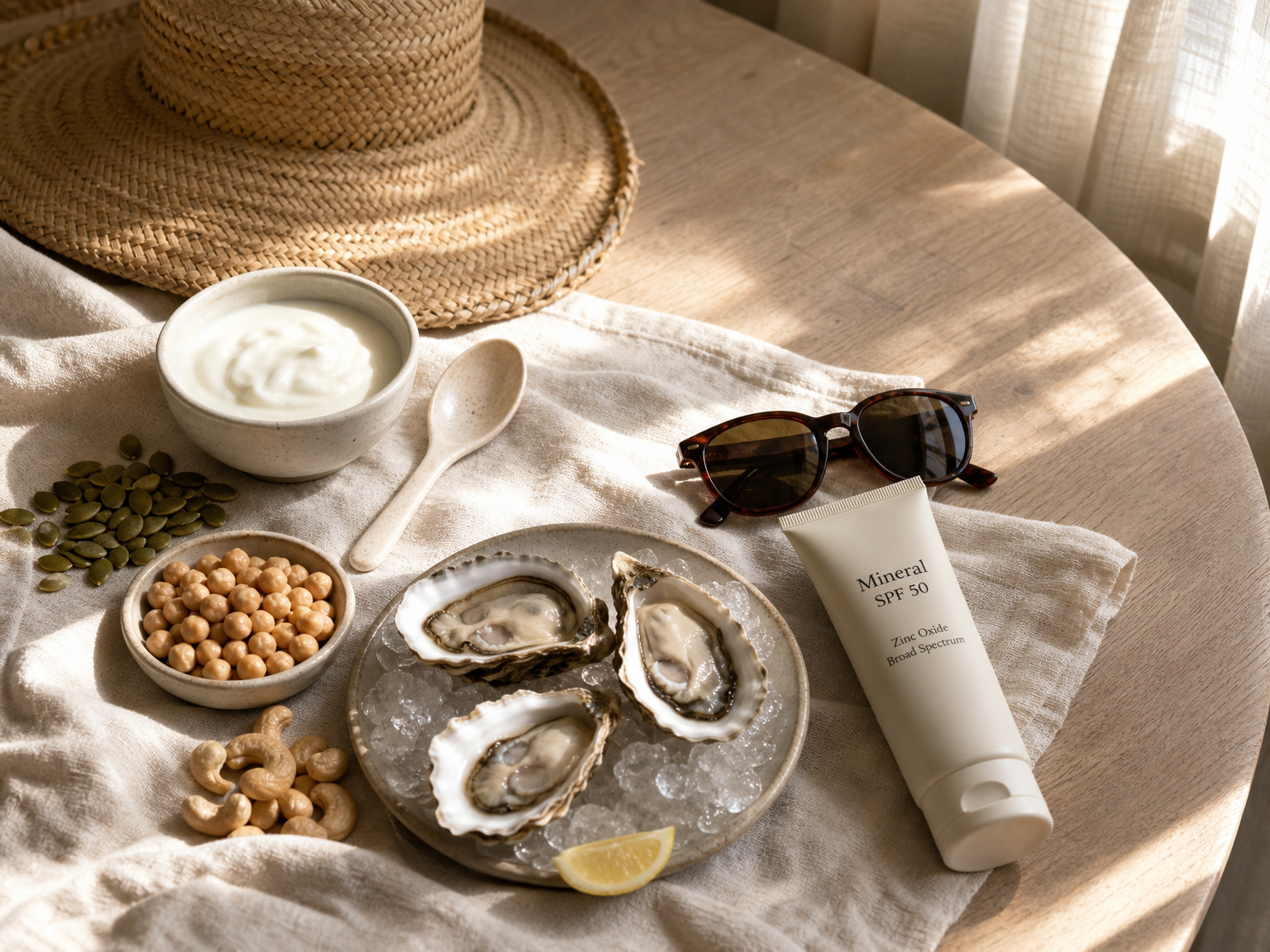

1. What zinc does in skin
Zinc is a trace mineral: the body only needs small amounts, but it cannot function well without it. Skin is one of the places where zinc has an especially clear role. The Linus Pauling Institute estimates that about 6% of the body’s zinc is found in the skin, with more in the outer epidermis than in the deeper dermis.
That fits with the work skin is doing every day. Skin cells divide, mature, build a barrier, respond to microbes, and repair small injuries. Zinc helps with DNA and protein synthesis, cell signaling, immune function, and wound healing. It is also part of enzymes involved in antioxidant defense and tissue remodeling.
Keratinocytes, the main cells in the outer skin layer, need zinc as they grow and move in to close damaged areas. Zinc is also linked with metallothionein, a zinc-binding protein that appears to help cells cope with stress and injury. Put simply, zinc belongs in the skin’s maintenance and repair toolkit. That is why discussions of zinc for skin healing usually need to focus on status, deficiency, and context rather than megadoses.

2. Does oral zinc protect skin before UV exposure?
This is where the answer becomes more cautious. It is reasonable, biologically, to think good zinc status could help skin handle stress. UV radiation creates oxidative stress, damages DNA, triggers inflammation, and can lead to sunburn cells — damaged skin cells that are headed for removal.
Preclinical research supports that idea. In older laboratory and animal studies, zinc reduced UV-related cellular and genomic damage in cultured skin cells, and topical zinc chloride reduced sunburn cell formation in hairless mice. Another mouse study found that animals lacking metallothionein had worse reactions to UVB exposure, which supports the idea that zinc-handling proteins are involved in UV tolerance.
But those findings are not the same as proof that oral zinc supplements prevent sunburn in people. A recent systematic review of human studies on oral photoprotective supplements found stronger evidence for polyphenols, carotenoid-based supplements, and Polypodium leucotomos. Isolated oral zinc did not stand out as a leading evidence-supported photoprotective option.
A practical way to think about it is this: adequate zinc may help skin work normally, but zinc supplements should not be treated as an internal sunscreen.
 Normal status: Adequate zinc supports ordinary skin repair, but that is not the same as SPF.
 Human data: Isolated oral zinc has sparse evidence for preventing sunburn.
 Best zinc-based option: Zinc oxide sunscreen works topically against UVA and UVB.
Mechanistic studies support zinc’s role in skin stress responses, but sunscreen-level claims need direct human evidence.
3. Zinc oxide sunscreen is a different story
When people hear “zinc for sun damage,” they may actually be thinking of zinc oxide. That is very different from swallowing zinc tablets.
Zinc oxide is a mineral sunscreen ingredient. When applied to the skin, it helps reduce UV exposure by blocking, scattering, and absorbing UVA and UVB radiation at the surface. The U.S. FDA states that publicly available evidence supports zinc oxide, at concentrations up to 25%, as generally recognized as safe and effective for sunscreen use.
This is the clearest zinc-related evidence for preventing UV damage: topical zinc oxide as part of a proper sunscreen routine. It does not work by raising your zinc status. It works because it stays on the skin and reduces how much UV radiation reaches living cells.
Human studies suggest zinc oxide sunscreen has very low systemic absorption during typical use, with most of it remaining in the outer stratum corneum. Damaged skin may behave differently, so badly burned, broken, or blistered skin should be treated gently and, when needed, assessed by a clinician.
4. Can zinc help repair sun-damaged skin afterward?
Zinc is clearly involved in wound repair. The more practical question is whether taking or applying extra zinc improves healing after UV injury, such as sunburn. Other supplement explainers on sun-damaged skin, sun damage repair, and photoaged skin structure make the same basic distinction: plausible mechanisms do not automatically prove fast sunburn healing.
The evidence is mixed, and the context makes a big difference. In people with deficiency, malnutrition, or chronic wounds, zinc may be more relevant. A systematic review and meta-analysis of zinc and wound healing found that zinc treatment may improve ulcer healing at the final endpoint, although the authors noted the small number of trials. A randomized trial in malnourished patients with pressure ulcers found better healing with a formula containing arginine, zinc, and antioxidants, but that study cannot tell us how much of the benefit came from zinc alone.
Cochrane’s review of oral zinc for leg ulcers is a useful caution. Across venous ulcer trials, oral zinc did not clearly improve healing overall. Chronic ulcers are not the same as sunburn, but the finding argues against a simple “more zinc equals faster healing” story.
Topical zinc has some encouraging but modest human signals. In a small randomized trial using standardized acute wounds in healthy volunteers, topical zinc oxide slightly reduced redness around lancet wounds but did not speed complete wound closure. Another human wound study found that topical zinc sulfate changed markers linked with inflammation and keratinocyte movement, which may help with re-epithelialization — the process of covering a wound with new skin cells.
For everyday sunburn, the most evidence-based recovery steps are still cooling the skin, staying hydrated, avoiding more sun exposure, and protecting the area while it heals. Zinc is part of normal repair, but routine high-dose oral zinc after sun exposure is not well supported.
5. Deficiency, intake, and supplementation
Adults do not need large amounts of zinc. The U.S. Recommended Dietary Allowance is 11 mg per day for adult men and 8 mg per day for adult women. Requirements are higher during pregnancy and lactation.
Food sources include oysters and other seafood, meat, poultry, dairy, beans, lentils, nuts, seeds, and fortified foods. Plant-based diets can provide zinc, but absorption may be lower because phytates in grains and legumes bind zinc. Vegetarians and vegans may therefore need a bit more careful planning.
Groups at higher risk of zinc deficiency include people with gastrointestinal disease or bariatric surgery, people who avoid animal foods, pregnant or lactating women, older breastfed infants, people with sickle cell disease, and people with alcohol use disorder.
Common zinc supplements include zinc sulfate, zinc acetate, and zinc gluconate. If a supplement is used, the aim is usually to fill a gap, not to push intake far above normal needs. There is no strong evidence-based timing strategy for taking zinc before sun exposure.
6. Safety and excess
The adult tolerable upper intake level in the U.S. is 40 mg per day from food and supplements combined. This is not a goal to aim for; it is the upper boundary set to reduce the risk of harm.
Taking 50 mg or more per day for weeks can interfere with copper absorption. Over time, too much zinc may contribute to copper deficiency, anemia-like symptoms, reduced immune function, lower HDL cholesterol, nausea, vomiting, stomach pain, and diarrhea.
Zinc can also interact with some medicines, including quinolone and tetracycline antibiotics, penicillamine, and certain diuretics. Intranasal zinc products have been linked with loss of smell and should be avoided.
If you suspect a deficiency, have a restricted diet, take medications, are pregnant, or are considering higher-dose zinc, it is worth checking with a healthcare professional first.